Company News
What is Titanium?
Views : 5927
Author : Samuel
Update time : 2021-03-11 10:44:02
What is Titanium?
Titanium is a chemical element with the symbol Ti and atomic number 22. Its atomic weight is 47.867 measured in daltons. It is a lustrous transition metal with a silver color, low density, and high strength. Titanium is resistant to corrosion in sea water, aqua regia, and chlorine.
The two most useful properties of the metal are corrosion resistance and strength-to-density ratio, the highest of any metallic element. In its unalloyed condition, titanium is as strong as some steels, but less dense. There are two allotropic forms and five naturally occurring isotopes of this element, 46Ti through 50Ti, with 48Ti being the most abundant (73.8%). Although titanium and zirconium have the same number of valence electrons and are in the same group in the periodic table, they differ in many chemical and physical properties.
Titanium can be alloyed with iron, aluminium, vanadium, and molybdenum, among other elements, to produce strong, lightweight alloys for aerospace (jet engines, missiles, and spacecraft), military, industrial processes (chemicals and petrochemicals, desalination plants, pulp, and paper), automotive, agriculture (farming), medical prostheses, orthopedic implants, dental and endodontic instruments and files, dental implants, sporting goods, jewelry, mobile phones, and other applications.

Titanium is a chemical element with the symbol Ti and atomic number 22. Its atomic weight is 47.867 measured in daltons. It is a lustrous transition metal with a silver color, low density, and high strength. Titanium is resistant to corrosion in sea water, aqua regia, and chlorine.
The two most useful properties of the metal are corrosion resistance and strength-to-density ratio, the highest of any metallic element. In its unalloyed condition, titanium is as strong as some steels, but less dense. There are two allotropic forms and five naturally occurring isotopes of this element, 46Ti through 50Ti, with 48Ti being the most abundant (73.8%). Although titanium and zirconium have the same number of valence electrons and are in the same group in the periodic table, they differ in many chemical and physical properties.
Titanium can be alloyed with iron, aluminium, vanadium, and molybdenum, among other elements, to produce strong, lightweight alloys for aerospace (jet engines, missiles, and spacecraft), military, industrial processes (chemicals and petrochemicals, desalination plants, pulp, and paper), automotive, agriculture (farming), medical prostheses, orthopedic implants, dental and endodontic instruments and files, dental implants, sporting goods, jewelry, mobile phones, and other applications.

Related News
The Importance of Material: Why We Choose Titanium Alloy
Oct .16.2025
In the world of gear and tools, the choice of material defines the soul of a product. It determines durability, functionality, and how it integrates into your daily life. At jiaxinti, we don't compromise — and that's why we build with titanium alloy.
What can we offer for knife design?
Apr .16.2024
I am JXT,it is a main production of Camping & Hiking outdoor Products,kitchen knives,titanium pen,titanium edc and other related titanium product manufacturers. the manufacturer of metal camping and edc tools with over 15 years experience.
Why do you need a knife outdoors?
Mar .21.2024
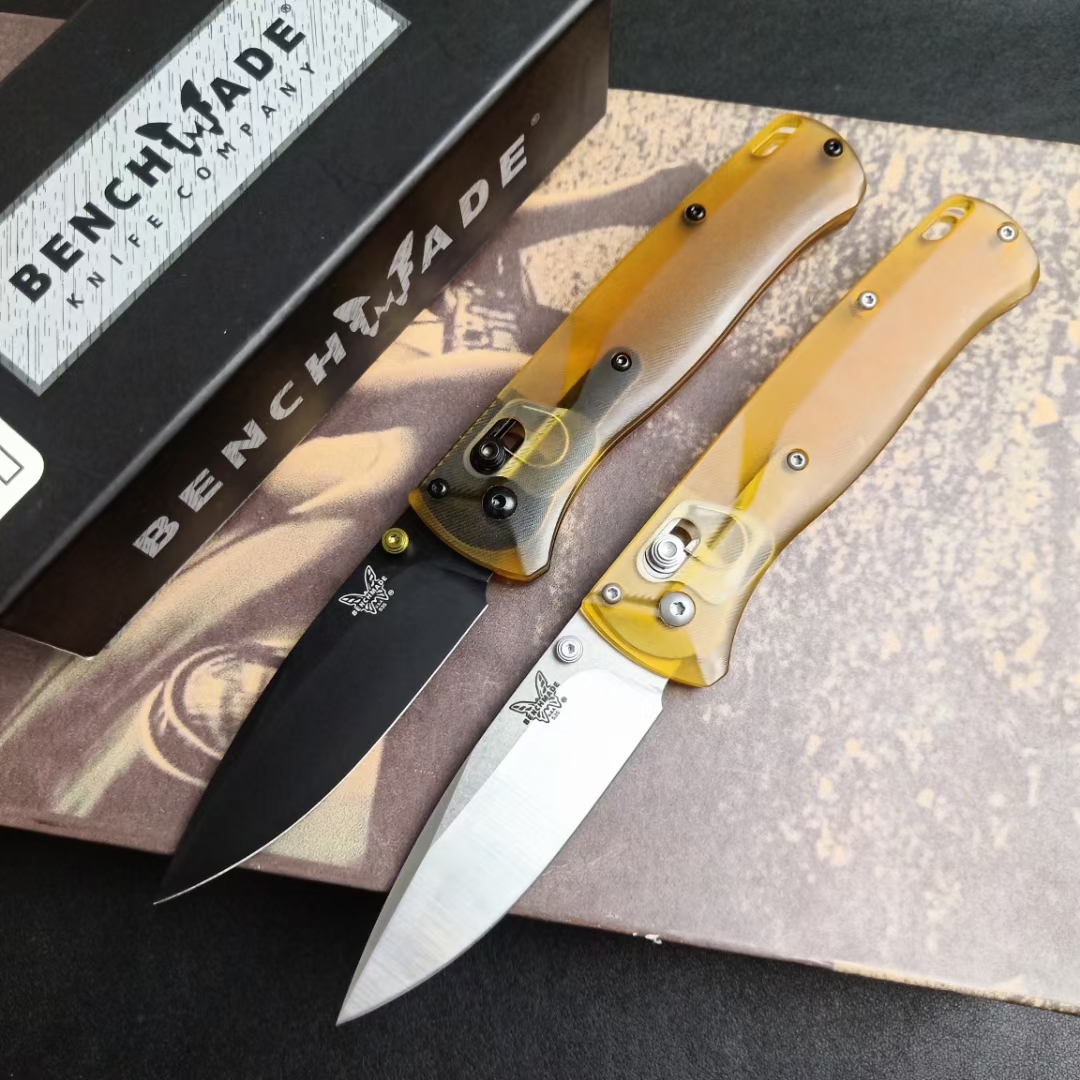
benchmade knife; tactical knife; survival knife; titanium knife; edc knife; titanium folding knife; keychain knife ;knife hunting; titanium edc; knife money clip knife; knife bead
Is titanium magnetic?
Jan .29.2024
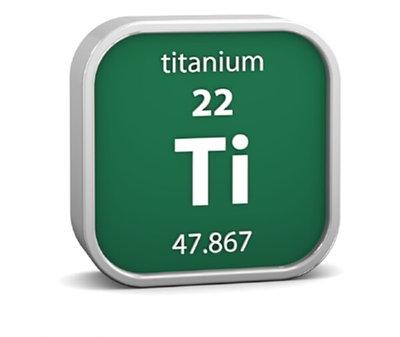
Pure titanium is a non-magnetic metal with a high melting point and low density. Its unique thermal conductivity and expansion coefficient make it advantageous in material processing and heat treatment. With low electrical resistivity and thermal conducti